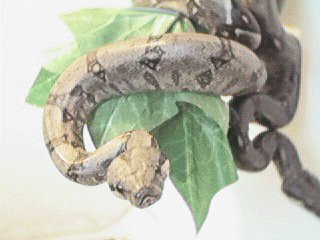
Boa
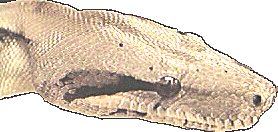
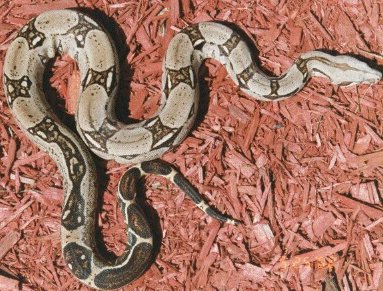
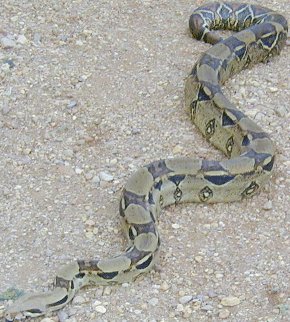
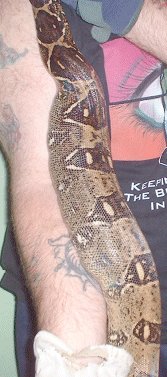
Constrictors They are sometimes known as "Red
tailed boas", but a tail as red as the snake below is quite
rare.

 |
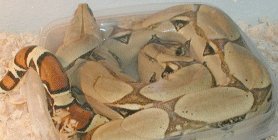
If possible, captive bred animals should always by selected. They tend to be much healthier and make better pets overall. Always deal with reputable dealers and high quality pet stores. When buying a newborn, always ask to see the parents to get an idea of what you will end up with. |
||||
|
Check for mucus in mouth (which is a sign of infection) eye shape and colour, and lumps in body or hunger folds (signs of broken ribs or malnutrition) . Also look for mites and ticks (small insects burrowing under scales). Although it is generally not a problem with boas, check to see if the specimen is a problem feeder -ask for feeding records.
|
|||||

|
As for what boa to get.... So let me explain why I
probably disagree with what classifications you may
be used to. The whole philosophy behind this
website is that these are MY experiences of
snake-herding, and I'm afraid that in my experience
the boa classifications that I've encountered in my
neck of the woods are little better that
guesswork. I understand that there is
a much better system of classification used in the
US. We in the UK definitely need something which is
universally used: it really does seem that "any
name will do".
To further illustrate this
point, here's an extract of an email
I received in early August 2002 And here's an extract from
a series of rants I got in March 2003 I mailed back to this chap
saying that all I'm putting up is
MY experiences, and he emailed back, basically
asking how dare I publish anything on the web......
bless him. Nothing like constructive critisism, eh
:o) But then in Jan '04 I got
an email from "Axe" which goes a long way to
explain the confusion:
There's a lot of names for
fancy breeds of boas being banded about, Honduran,
Colombian, Red tailed, Surinam, Patagonian,
Hungarian, lesser spotted, etc. Everyone has their
own ideas about what looks like what, so here's
some pictures of how I've seen certain boas
described. |
|||||||||||||||||||||||||||||||||||||
 |
"Common": "Common" doesn't sound so good does it? I suppose this could be called "light phase". Personally this is the colour morph I prefer. |
||||||||||||||||||||||||||||||||||||
|
|
|||||||||||||||||||||||||||||||||||||
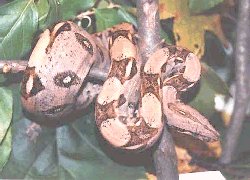 |
"Peruvian": My two "males" of this colour phase have been mating recently. Boas are not easy to sex! |
||||||||||||||||||||||||||||||||||||
|
|
|||||||||||||||||||||||||||||||||||||
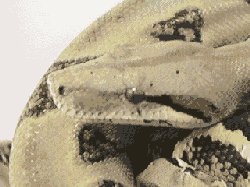 |
"Colombian" His name is "Julian" |
||||||||||||||||||||||||||||||||||||
|
|
|||||||||||||||||||||||||||||||||||||
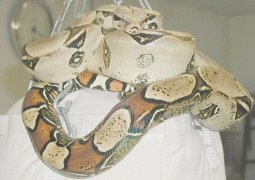
 |
Red tailed boa: It actually has got red in it's tail. Sometimes known as "Surinam" |
||||||||||||||||||||||||||||||||||||
|
|
|||||||||||||||||||||||||||||||||||||
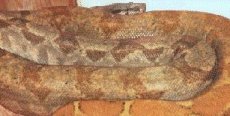 |
Hog's Island boa: Beautiful orange-brown colour with red in the tail as well. Mine are good at biting. |
||||||||||||||||||||||||||||||||||||
|
|
|||||||||||||||||||||||||||||||||||||
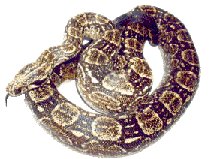 |
Imperator: Very dark markings. My one often has trouble shedding his skin |
||||||||||||||||||||||||||||||||||||
|
|
|||||||||||||||||||||||||||||||||||||
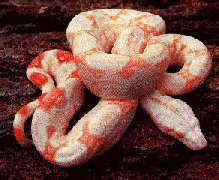 |
Albino: Somewhat overpriced ? |
||||||||||||||||||||||||||||||||||||
|
|
|||||||||||||||||||||||||||||||||||||
|
|
Argentine Boa: Very Dark |
||||||||||||||||||||||||||||||||||||
|
Personally, apart from the "albino" and the "Argentine", (which aren't commonly available to me anyway) I 'm not sure if I agree with any of these categories. I've seen what I would call "Hog's Island" being sold as "Imperator", and I've seen "red tails" with no reds in their tails. If you disagree, then that's fine. But don't tell me that I'm wrong. Why not send me YOUR idea of boa classification. |
|||||||||||||||||||||||||||||||||||||
|
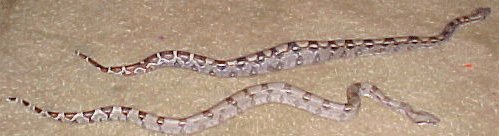
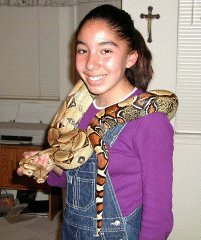
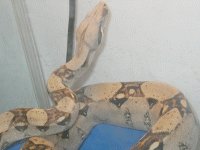
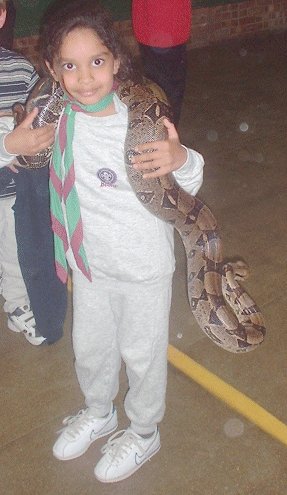
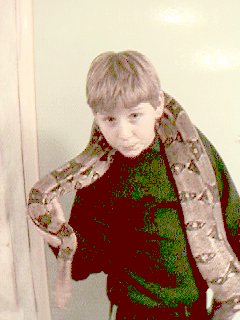
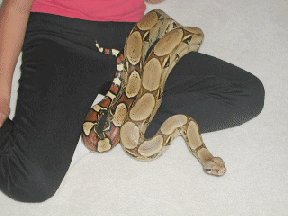
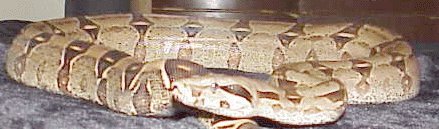
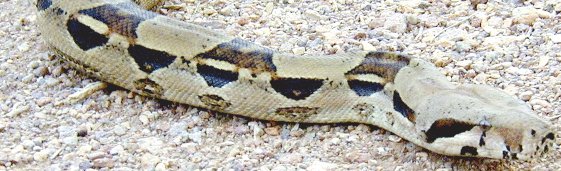
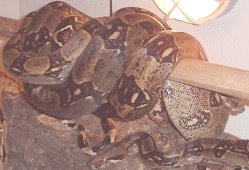
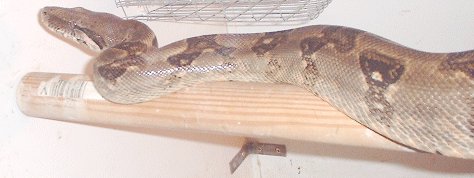
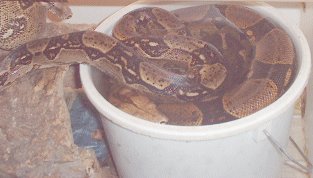
Well - the books say "Neonates range from 12 to 24 inches. Growth in newborns can be rapid, between 3 - 5 feet in one year The second year can yield lengths of 4 to 7 feet. Adults range anywhere from 4 to 10 feet, with an occasional 12 and 15 footer thrown in just to keep us all on our toes." I would say "If you can't take the size, get a smaller species !" but the adult size does vary considerably - look at Sophie (left), Jessica (top right) and Lisette's Red (bottom right) here. All adults, all rather different sizes.
|
|
|
|
|
|
|
|
|
|
Space: A small tank for starters is
OK but this will be outgrown very quickly. A cage amounting
to 3/4 square foot per foot of snake is what many consider
perfect. Shelves can be used to increase floor space and
allow somewhere to go when active, though my boas are rarely
on the move. A shelf also allows a warmer basking site,
while forming a cooler area underneath. The cage should
contain a hiding place, a sturdy water bowl big enough for
soaking, (I use a bucket) and something for the snakes to
rub on while shedding (Rocks and tree limbs/sticks work
well). Thick wooden dowels firmly secured
to the viv make good climbing frames, but beware - boas
don't hold on tight. Make sure they can't fall too
far. Temperature for a boa should be
kept around 85 daytime and 80 at night. A basking site in
the range of 90 to 95 is also needed. If temperatures are
allowed to stay too cool, refusal of food, regurgitation of
prey, and respiratory infections follow. It must also be
remembered that in a tall tank the temp at the bottom can be
10 to 15 degrees lower than that at the
top. Newborns should be fed every 5 days.
Start on pinkies, and work up from there. As the snake
increases in size, feeding can be cut back to every 10 days,
and then to every 2 weeks. I offer my boas food each week,
but they only feed on average about once every three weeks.
Remember that a snake will eat if it is hungry, but they are
capable of prolonged periods of fasting, and will go off
eating when they want to mate. Also make sure the have
drinking water available at all times. A well fed boa will shed
about once every 1 to 3 months. The most obvious sign that
shedding is imminent is a general darkening and the clouding
over of the eyes. and an unexpected refusal to
feed. The general darkening of
the skin which is evident in pythons is not so noticeable in
boas as their colourations are so
variable. Check the "head" of the
skin to make sure both eye caps came off. The tail is
another area that sometimes will not remove completely. If
the skin comes off in lots of small pieces, the humidity is
too low. Unshed skin can be removed by soaking the snake in
water and then gently pulling it off. Some snakes seem to
enjoy this, others put up a struggle. Surprisingly for snakes which adapt
so well to captivity, boa constrictors do not breed as well
in captivity as many other snakes. There are many reasons
why this should be, certainly I have been lucky (?) in
achieving breeding success. Other keepers with far more
experience than me have met with failure year after
year. So what is my secret ? I don't
honestly know, but I think there's three points to
check. 1 Make sure your snakes are
healthy 2 Make sure your snakes are well
fed 3 Keep male and female apart before
attempting a mating (bit like me !!) Boas mating -An X - rated
picture ? Subsequent matings then take place
for three to four months, so it is difficult to judge when
conception occurs. Twenty to thirty live young are born some
four to five months after the last mating..........providing
of course that the mating was successful. Many are not. Why
- there's lots of reasons for that. Here's some
signs. They get aggressive for no apparent
reason They stop feeding They swell up towards the
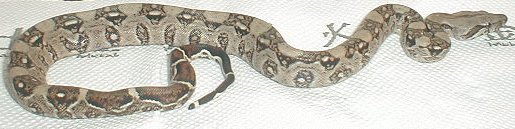
tail.. Here's a picture of
Fangface's tummy. Named Fangface as "he" started
getting quite snappy a few months ago. But looking
at the swelling today, and bearing in mind he's not
eaten for two months, it's rather apparent I got
the probing wrong again.
See also the pages specifically about
breeding